

The Silent Scourge
No. 0/2025 short story sample
All that we see or seem / Is but a dream within a dream.
Edgar Allan Poe, “A Dream Within a Dream
Occasionally, in the darkest corners of the world where civilization barely touches ancient secrets, tragedies unfold that challenge the very foundations of reason. Such was the event that plunged me to the brink of madness, into a village lost in the mists of China’s ancient dust, where death wove its cloak around innocent souls.
A story by Rowan Rubus, originally published in The Capsule Chronicle (15.07.2025)
My name is Doctor Lin, a young idealist doctor sent by fate, or perhaps a curse, to a remote Chinese village known as Wu-lin. It was a brisk early evening when I arrived. The air hung heavy, saturated with humidity and the pervasive scent of stale rice and ancient mud. With my first breath, a disquiet settled upon my soul, as if the very earth whispered a warning of impending horror. The villagers, their faces etched by time and the drudgery of working in the rice paddies, received me with silent suspicion. Their eyes, once perhaps alight with life, now seemed vacant, brimming with unspoken suffering, testifying to past pains that had pierced their souls like a cold wind. The children, usually boisterous and full of energy, huddled close to their parents with an inexplicable dejection, their laughter muted, almost inaudible.
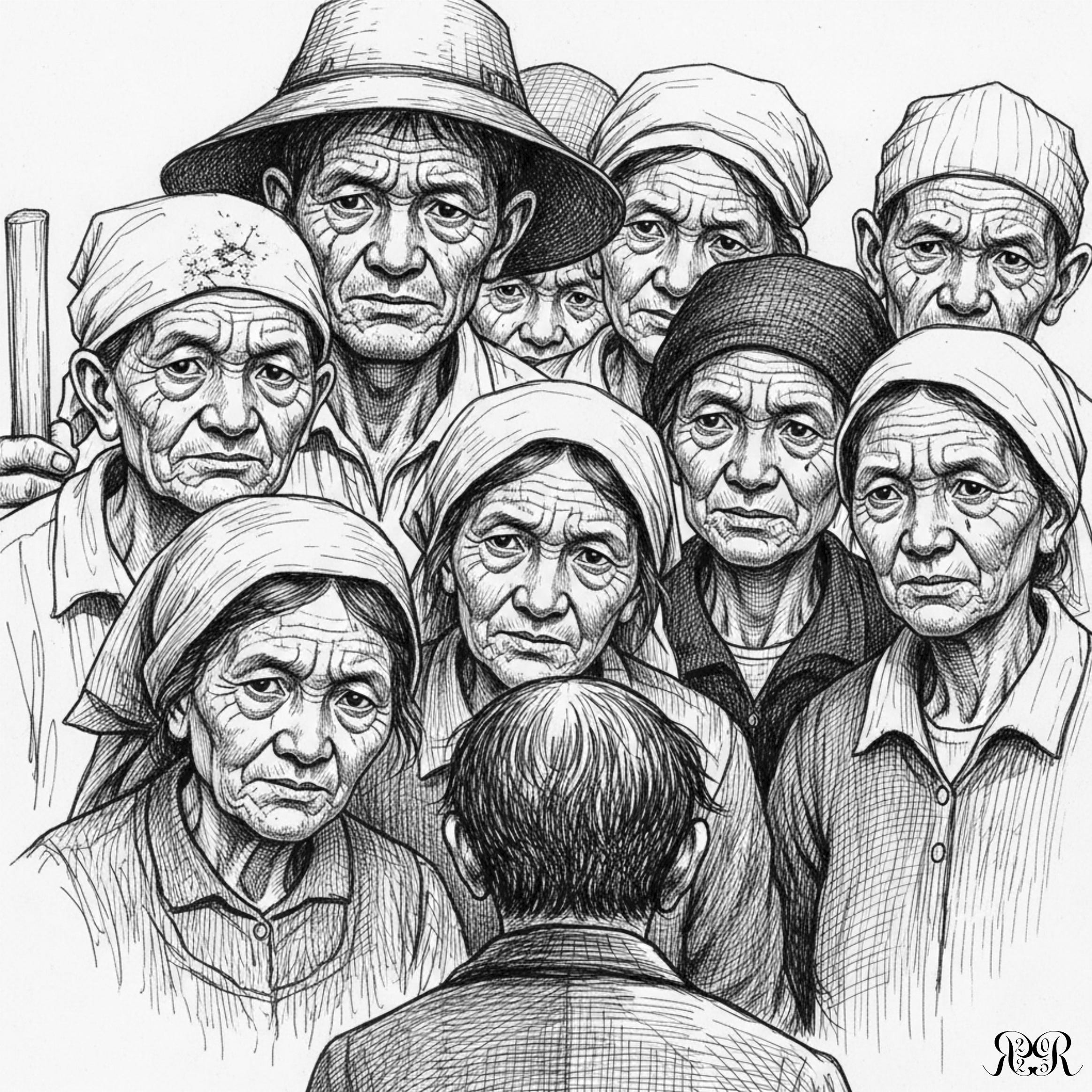
I soon understood the cause of their gloomy mood. An incomprehensible scourge was sweeping through the village, targeting its most fragile victims – the children. The cases mounted with alarming speed, each passing day bringing fresh cases, new cries, new deaths.
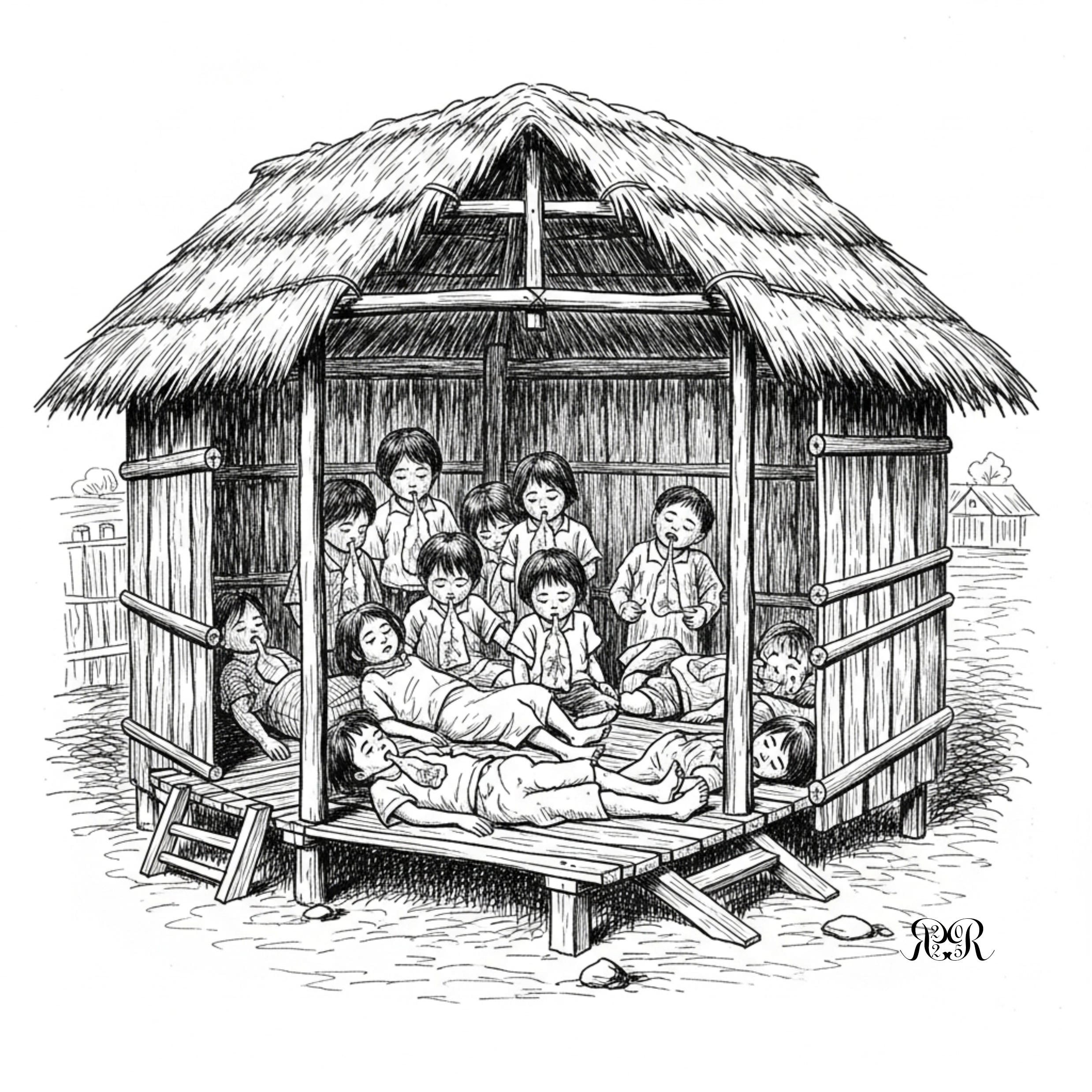
I remember little Li-mei. She was only six years old, but her face was wrinkled with pain as if she had lived through centuries. Her breathing was shallow and labored, a relentless breathlessness tormenting her with the slightest exertion. Each breath was punctuated by a quiet, heartbreaking wheeze. Her small hands and feet were alarmingly swollen, her skin taut and glistening, as if water pooled relentlessly within her. Her pulse was an erratic, pounding rhythm, palpable even through the soft skin of her chest, as if her heart danced a perilous jig with death. Sometimes nausea and vomiting also plagued her, further debilitating her and leaving her with an empty stomach and tear-filled eyes. Fever appeared only sporadically, but when it struck, it was debilitating, though it rarely reached the heights typical of common infections. Worst of all, however, was the persistent fatigue and profound weakness that confined them to their beds, draining them of all strength. Li-mei was just one of many.
I watched their suffering with a helpless, gnawing despair. Little bodies convulsed with fever, though the fever itself was not the dominant symptom. Their eyes, once bright as morning dew, dimmed with pain and dread, losing their childlike luster. Every breath was a desperate struggle, every whisper a silent prayer. Parents, their faces etched with helpless grief, clung to their children’s bedsides, their guttural wails piercing the night air and lacerating my soul. To witness them gazing blankly at their dying children, holding their fading hands, was a torment worse than death itself. Their despair was contagious, seeping deep into my bones, denying me sleep. Each day brought fresh tidings of death, another family plunged into inconsolable grief. I could feel my soul fragmenting.
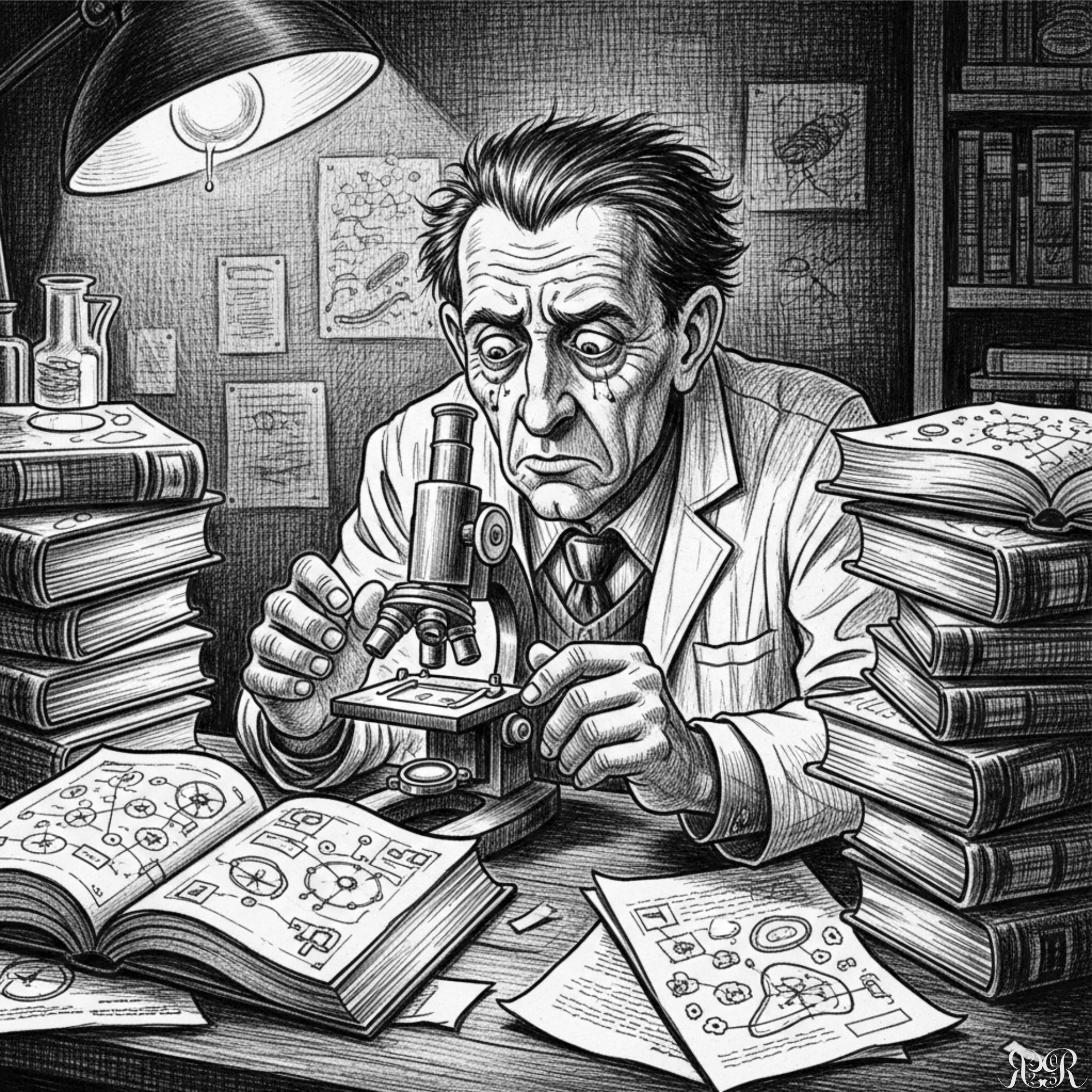
Days turned into weeks, weeks into months. Exhausted and desperate, I explored every possible cause. I slept only a few hours a day, with my mind constantly occupied with the mystery. The microscope under my hands revealed only a mysterious void. No bacillus, no virus, nothing to confirm a normal infectious epidemic. I turned over books, studied old files on exotic diseases, sent samples to distant laboratories hoping for an answer, but none came. I spent sleepless nights, wandering the village like a ghost, haunted by the cries of mothers and the silent sighs of dying children.
I felt my hope slowly slipping away, replaced by a cold blanket of madness. I was a doctor, sworn to heal, and yet I just watched helplessly as life leaked out of these small, fragile bodies. That helplessness tormented me more than the physical pain. My mind was a labyrinth of desperate hypotheses, none of which led to a resolution. I told myself that I was failing, that I was incompetent, and this feeling was slowly destroying me. I was becoming more and more closed off, tired of explaining that I didn’t know why their children were dying. Their blank stares haunted me even in the few hours I tried to sleep.
And then, in the darkest moment, when I had almost succumbed to hopelessness, a sudden enlightenment pierced my despair. Why did this disease appear only in this particular area? Why Wu-lin? Was there something inherently local about it? Something in the environment that eluded my normal diagnostic methods? I decided to examine the very soil, the very water, the very diet of the villagers with uncertain hope. I took samples of rice, vegetables, even water from the wells, knowing it was just a shot in the dark, a last desperate effort.
And then came the answer, a whisper of wind that turned despair into wonder, almost an ecstasy of recognition. Analysis of soil samples revealed a shocking fact: extreme selenium deficiency.
Selenium! The key to the mystery. Suddenly, thoughts began swirling in my head with incredible speed. I remembered old studies that suggested a link between selenium deficiency and certain cardiomyopathies. The lack of this trace element in the soil meant that it was also scarce in the crops grown and therefore in the diet of the villagers, which consisted mainly of locally grown rice and vegetables. Keshan’s disease! Suddenly everything fell into place with frightening precision. This deficiency weakened the heart muscle, made it susceptible to damage, and eventually led to failure. The solution was seemingly simple: add selenium to the diet. It was so obvious, so elementary, and yet so long hidden under a veil of ignorance. I felt hope returning to me, stronger and brighter than ever.
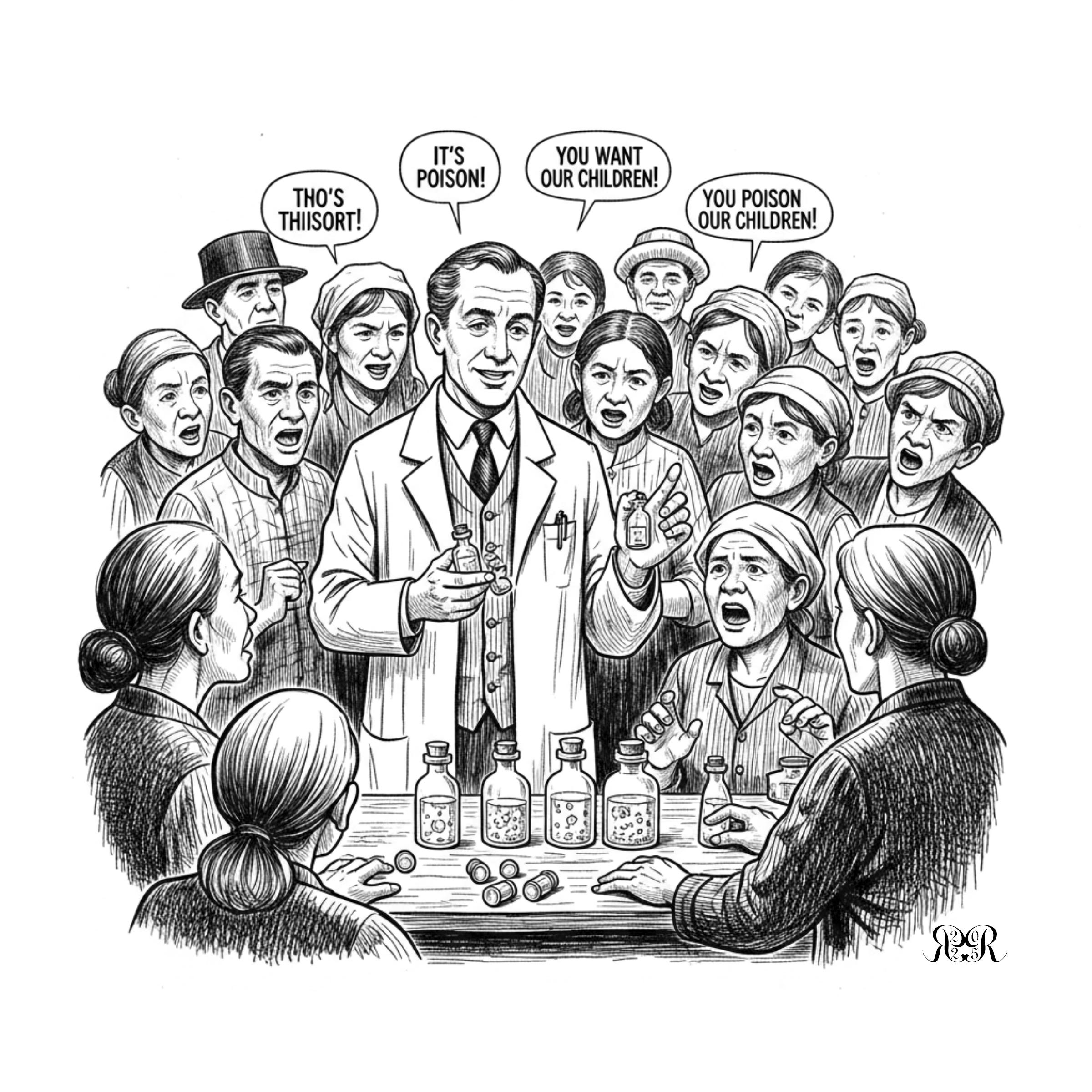
With feverish hope, I rushed to the villagers, enthusiastically explaining my findings to them. “Selenium! All you need is selenium! It’s a trace element that’s missing in your soil, that’s why your children are sick!” I told them, offering them little white pills with this miraculous element that I had had sent from the city.
But their faces remained impenetrable, stony masks of disbelief. My words echoed off the walls of their prejudices and ancient superstitions.
“It’s poison!” some shouted, their voices filled with fear and anger.
“White powder! You want to poison our children like this disease has already poisoned them!”
Others whispered about alien rituals, about wanting to deceive them. Their culture was deeply rooted in tradition, and the medicine of the West was incomprehensible and frightening to them.
Despair gripped me again. It was worse than before. How do I convince them? Their ignorance was more powerful than any scientific evidence. I sifted, explained, showed them my calculations, compared soil samples from Wu-lin with those from other, healthier areas. I told them about the importance of trace elements, how a small amount of something can have a huge impact. But nothing helped. I was a stranger to them, a carrier of unknown and frightening thoughts, a kind of demon that had chosen their village as its playground. They were ready to drive me out of the village, their eyes full of hatred and suspicion. I felt like Sisyphus, doomed to push the stone up the hill, only to have it roll down again. This battle was harder than the one with the invisible disease because they were fighting something that was deeply ingrained in their minds. I spent my nights sleepless again, but this time I was tormented by the despair of misunderstanding, not ignorance.
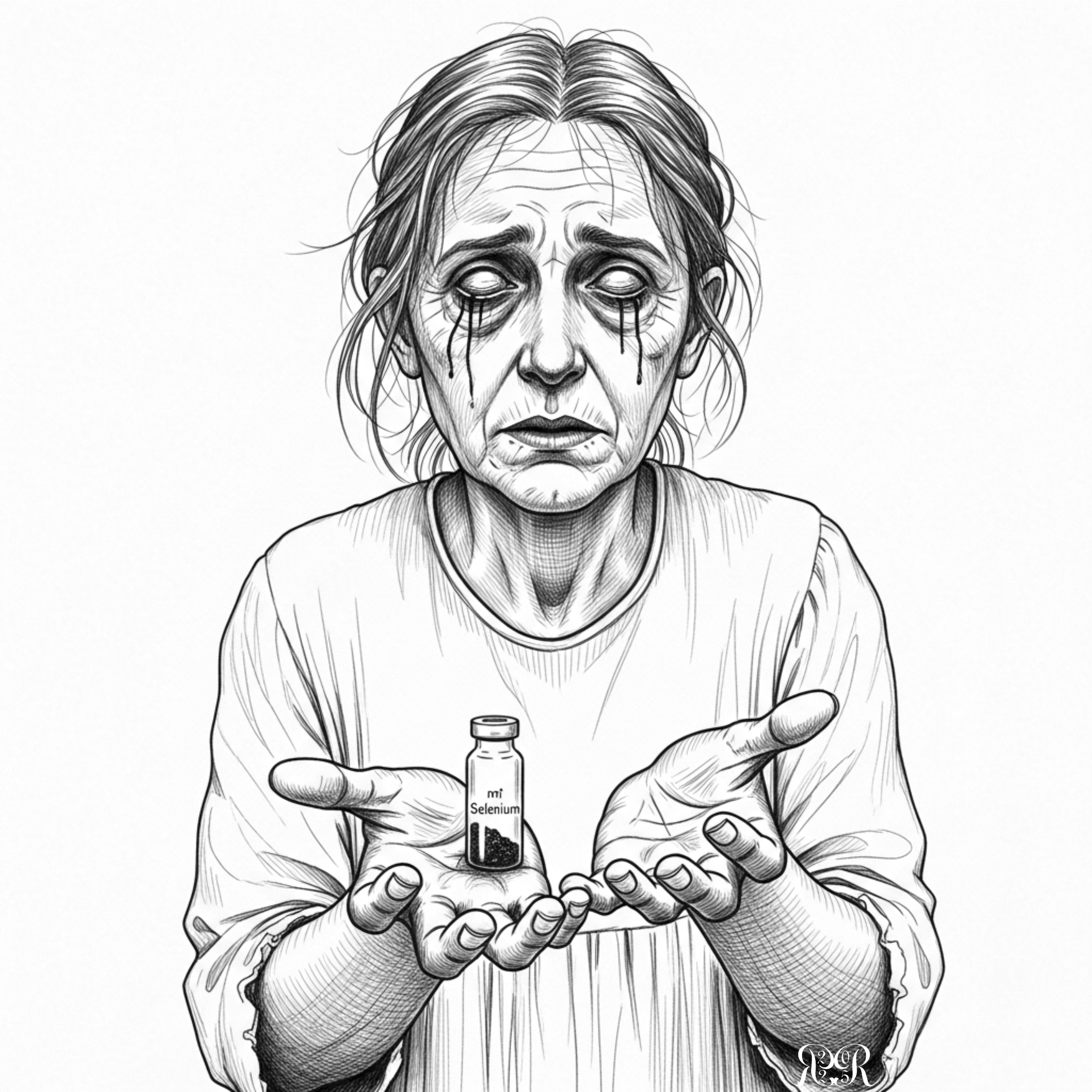
And then, in the darkest moment, there was a ray of hope, the most beautiful whisper I have ever heard. An old woman, Mrs. Chen, a mother whose illness had already taken two children, little Mei-Ling and her older brother Hao, and whose third child, little Wen-jie, was now fighting for her life with the same terrible symptoms, approached me. Her eyes were blank, full of unspeakable grief, but also a last, desperate glimmer of hope. Her face was wracked with pain, but in her gaze I saw defiance, a determined mother with nothing left to lose. “Dr. Lin,” she whispered, her voice hoarse from crying,
“I have nothing more to lose. I’ll give my baby what you say. If he dies, he dies anyway. But if it’s true...”
She didn’t finish her sentence, but I could see the pleading in her eyes.
With trembling hands, I handed her a small dose of selenium, explaining in detail how to dissolve it in the rice porridge. The days that followed were filled with anxiety. I waited, fearing the worst, prepared for the wrath of the village if Wen-jie’s condition worsened. And then, miraculously, the child began to respond. The first day only slightly, the second day already more clearly. Every day his condition improved. The swelling disappeared, his breathing became more regular, his heart began to beat stronger and calmer. His eyes, once dull, began to shine again. After a week, the child was cured. A miracle! Wen-jie smiled, albeit a weak smile, and Mrs. Chen held him tightly in her arms, tears of joy streaming down her face.
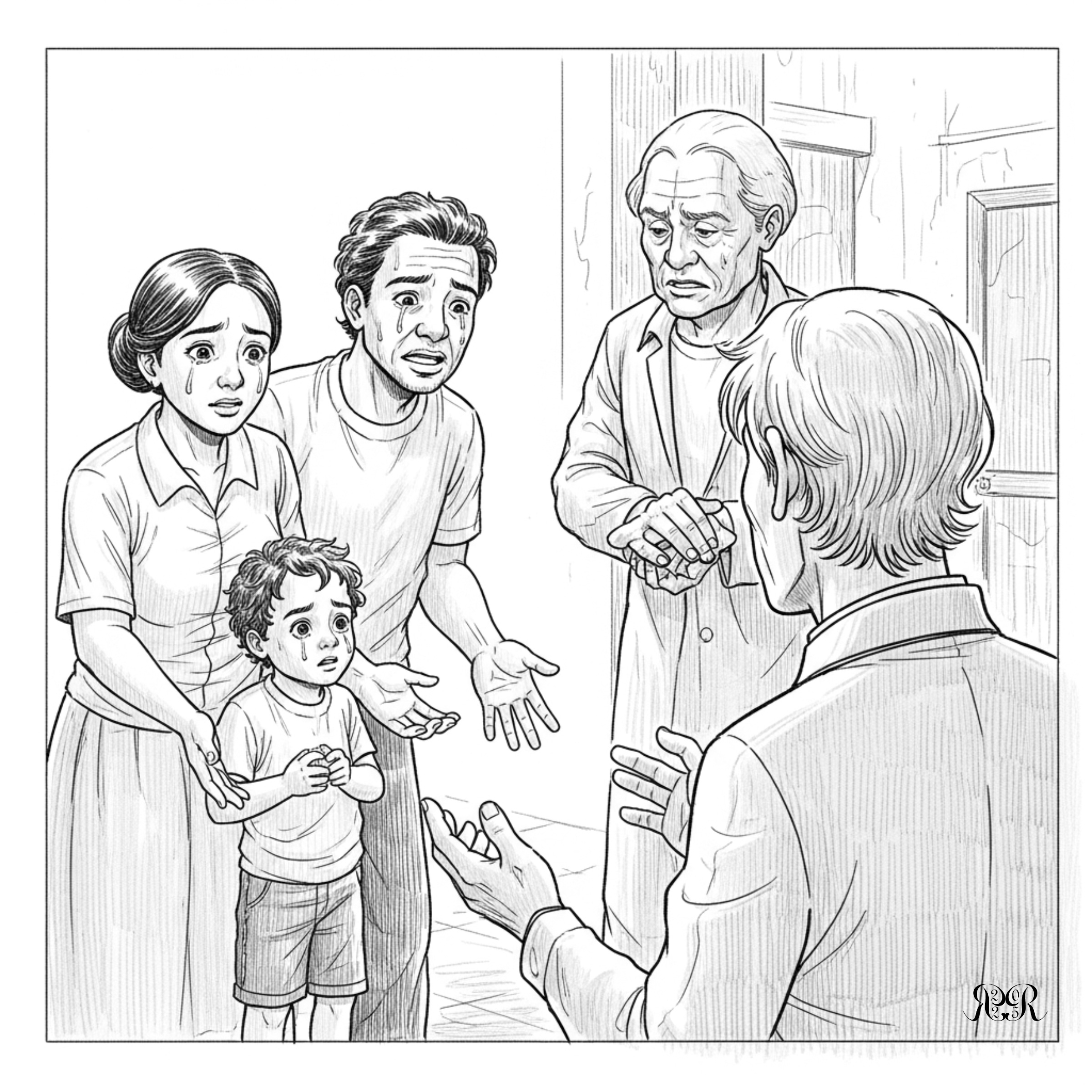
The news of the healing spread through the village like wildfire, faster than any disease. Skepticism slowly began to dissolve. Parents, their eyes full of tears of hope, began to come to me, no longer with anger, but with pleading. They begged me for selenium for their children. One by one, the little bodies began to come to life. The coughing subsided, the swelling went down, the shortness of breath disappeared. And with the healing of the children, laughter returned to the village, replacing the lamentations and sorrow that had hung over Wu-lin for so long. Keshan’s illness, that mysterious scourge that had plagued the village for so long, was finally over.
I, Dr. Lin, remained. I went through hell, but I found a way out. And though my soul will forever bear the scars of those dark days, I knew I had done something that was worthwhile. The story of Keshan’s illness became a cautionary tale, a testament to how intertwined nature and humanity are, and how even the smallest imbalance can bring immeasurable suffering. And I have witnessed how even in the darkest corners of the world, where hope seems to have died, a spark of knowledge and trust can spark light and bring life back. The sun shone again over Wu-lin, its rays reflecting off the beaming faces of the children who were once again playing in the rice paddies.
In the silence of Wu-lin village, where darkness once dwelled, the wind now whispers a tale of how the light of knowledge dispelled the shadow and revealed that even the deepest mysteries are but untold truths, awaiting courage and science.
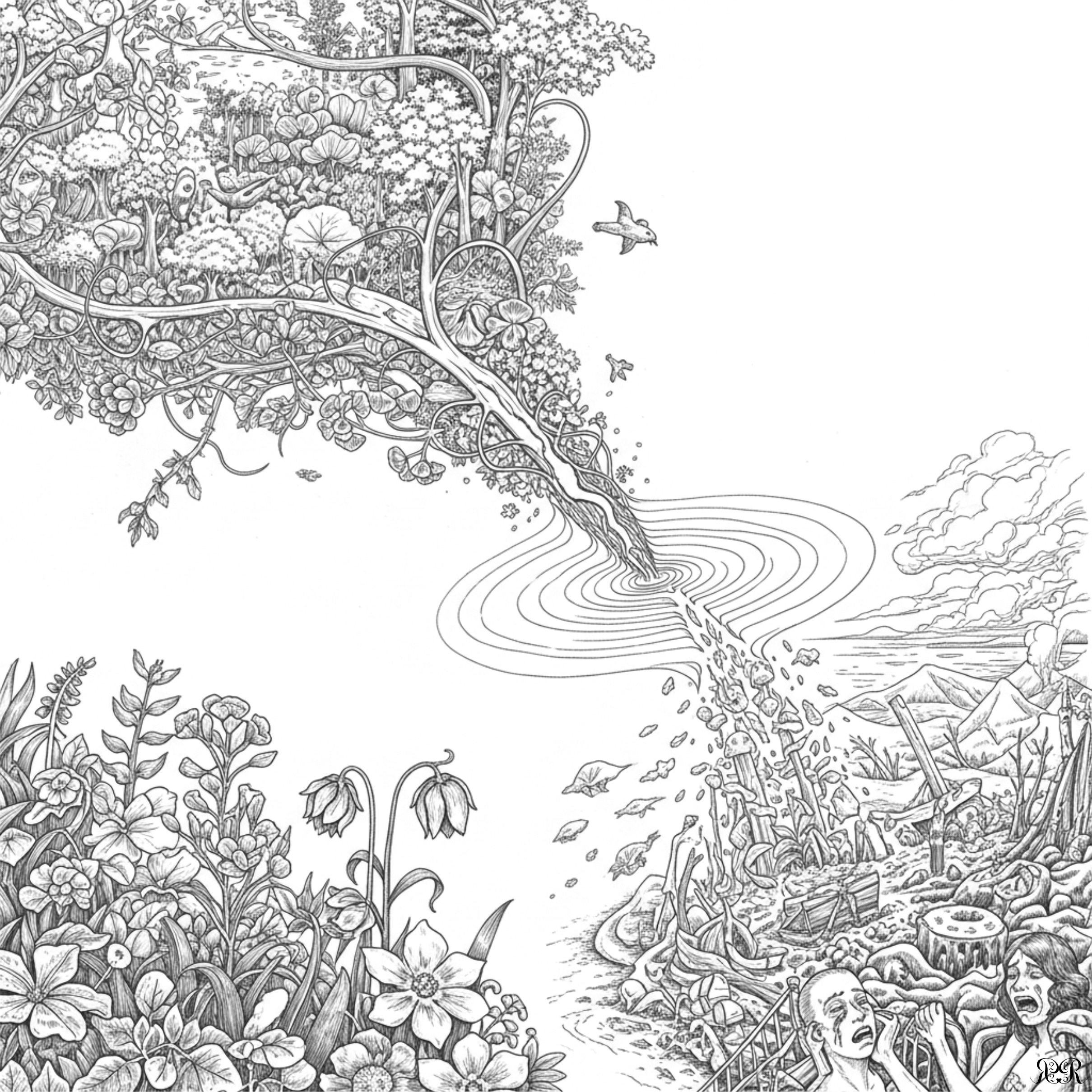
Today we know that selenium is a trace element essential for many physiological functions in the human body, including immune system support, proper thyroid function, and antioxidant protection. Its dual nature - being vital in low doses but toxic in higher doses - is why it is important to be mindful of safe intake.
You can learn more details about selenium in my article Selenium: The Superhero in the Nut.
